When you come to a public school in South Island, you will find that every building is designed to create a unique experience, not just an activity venue that welcomes a group of mobile students. We take students out of the classroom space to a broader community and world.
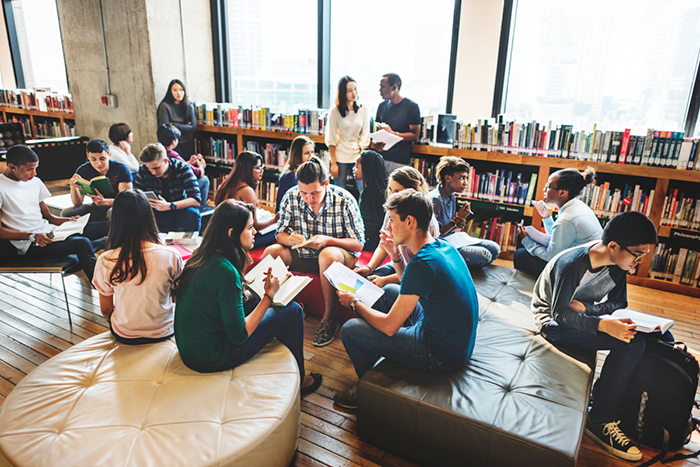
Student-centered learning
Our learning space design philosophy begins with our students. The environment has a major impact on how people learn. High-quality teaching and learning must be combined with space design to make our students more willing and enthusiastic to learn.
All teaching tools are available for the students. During the learning process, you can place them anywhere easy-to-access, and you only need to put them back after the end of the study.
Flexible space supports different styles
Flexibility is the best design recognized in the world, and it can be seen everywhere in our learning space- high and low desks and chairs suitable for students’ study habits. Tables are put on wheels to make it easier to implement group discussions or to instantly meet the large space needs of the classroom.
We need our school to have a variety of spaces, because students learn differently and need a range of educational activities. What our school design encourages is:
• Self-study
• Teamwork
• Creativity
Modern equipment into the classroom
Technology brings the world into our classrooms and gives our students the opportunity to travel around the world. Laptops, iPads, interactive whiteboards, digital cameras and mobile phones are part of our modern learning environment. Voice over Internet Protocol (VOIP) tools make it easier for our students to connect to the Sky Classroom Program on the other side.
Advocating a borderless classroom experience
To learn about aquatic life, the pond is our best classroom, to learn about New Zealand history, the museum is definitely a great place. When students use their senses to connect to their surroundings, they absorb more. Learning within the walls of the classroom only limits students’ thinking. A variety of flexible outdoor activities connect students with the natural environment and their communities.