In the public schools in New Zealand's South Island, you can feel how wonderful learning can be both inside and outside the classroom. Students from New Zealand's public high schools are highly regarded by universities around the world, which proves that the education provided by us is widely recognized in the world because our teaching and learning style is different.
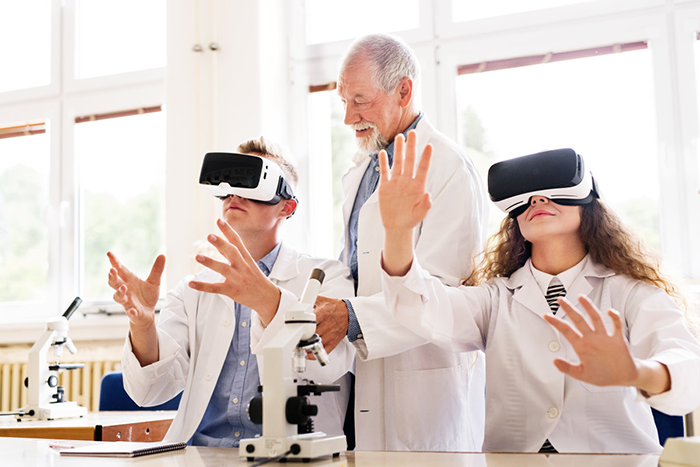
Classrooms in New Zealand
In south island public school classrooms students learn in many different ways. Classroom teaching methods are interactive and fun. Students participate in the discussion and actively ask questions. The classroom atmosphere is very active and the teachers provide full support to the students.
Classrooms are not fixed, but the best places for students to study are the parks, zoos, museums or galleries. Learning can be carried out independently, or in groups, both inside and outside the classroom.
Teacher-student relationship
The teacher-student relationship in the classroom may be more relaxed than you might think, but it is based on mutual respect.
Your teacher will support, challenge and motivate you. They are approachable and will respect you. If you have something you don't understand, the teacher will help you with it.
Your international director can help you with your studies and more.
You will get more one-on-one attention from teachers. The number of students per class and the teacher-student ratio is far below the OECD average.
Why should you choose the teaching method of New Zealand’s South Island?
In public schools in the South Island of New Zealand students can:
• Learn English for Speakers of Other Languages (ESOL), laying a solid foundation for English proficiency
• Build their own knowledge structure and learn more actively instead of just “memorizing” words
• Express, analyze and develop their own ideas and opinions
• Use the way that suits them best
• Use the latest technology to continuously improve their learning methods
• Gain confidence in asking questions and enhance interaction between students and teachers
• Focus on the cultivation of analytical thinking and "hands-on ability"
• Establish personal relationships with their teachers
Our teachers
Highly qualified teachers and school leaders can improve students’ achievements. Teachers’ abilities and skills are of great importance for us. Our teachers all have an academic degree. Through our professional competency training programs, their skills are constantly being improved.